Organic Cotton
Why Organic Cotton Matters
Soft on Your Skin, Kind to the Earth
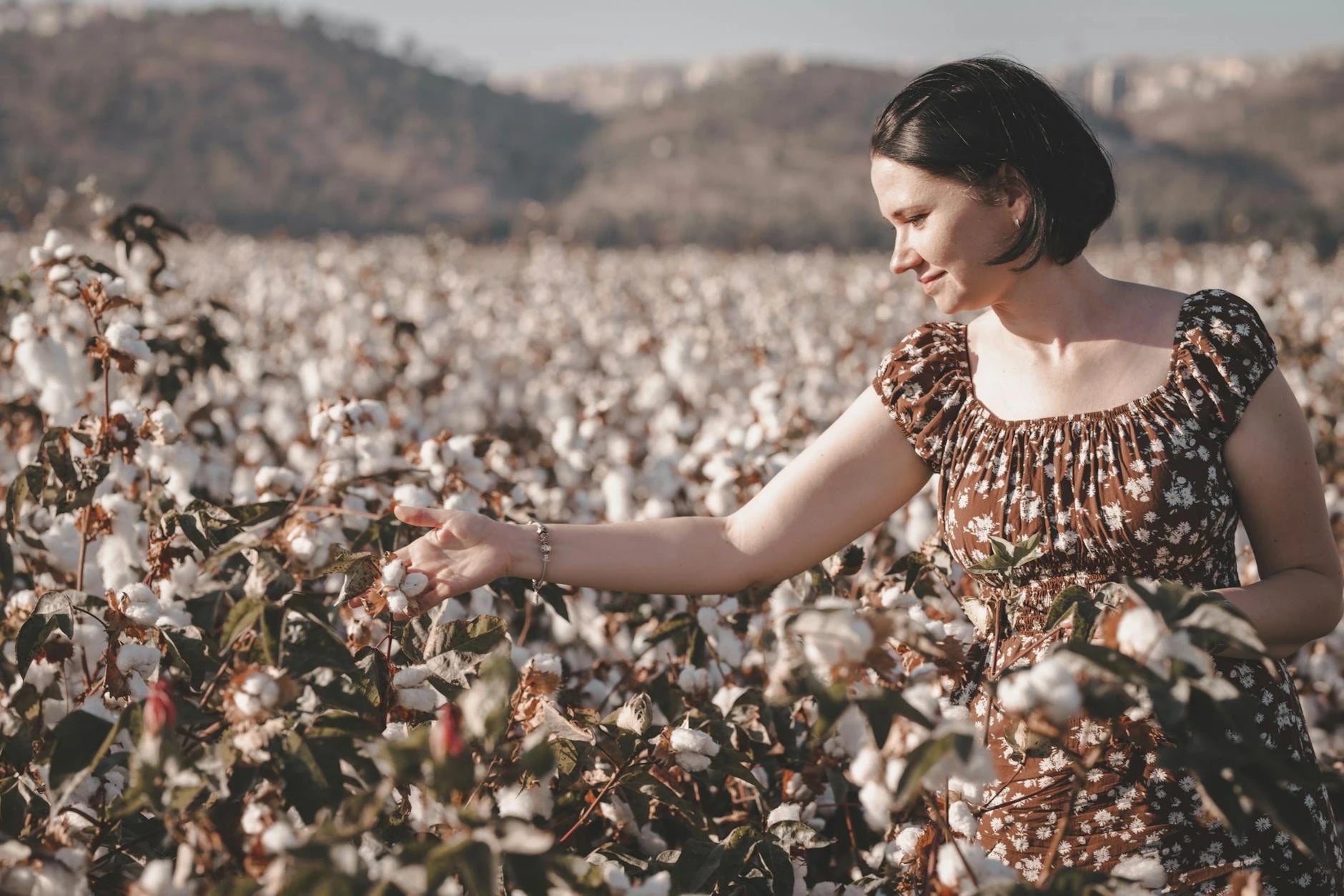
We often think deeply about what we put in our bodies — the organic produce we eat, the clean water we drink — but how often do you consider what you put on your body? Cotton is the silent companion of our lives. It’s the soft breath of your morning sheets, the familiar weight of your favorite t-shirt, and the gentle towel that dries your skin. Because cotton is in constant contact with your largest organ — your skin — the way it is grown matters more than we realize.
The Uncomfortable Truth
Beyond the softness of the final product lies a harsh reality. Conventional cotton is one of the most chemical-heavy crops on the planet. It doesn’t just use resources; it exhausts them. A cocktail of synthetic pesticides and toxic fertilizers is used to force growth, but these chemicals don’t simply stay in the field. They leach into the groundwater of local villages, strip the soil of its natural vitality, and create a hazardous environment for the farmers and families who work the land.
A Natural Choice for a Better Tomorrow
Choosing organic cotton is an act of mindfulness. It is a decision to support a farming system that works with nature rather than against it. By prioritizing organic standards, we ensure that the fabric touching your family is free from the residues of toxic synthetics. It’s a commitment to a cycle of health that heals the Earth:
-
Purity in Every Drop
Without chemical runoff, local streams and drinking water remain clean and life-sustaining for the communities nearby.
-
Living, Breathing Soil
Instead of industrial exhaustion, organic farmers use crop rotation and natural composting to keep the earth rich, fertile, and resilient for future generations.
-
Empowering Safer Hands
Every organic bale represents a workplace where farmers breathe clean air and work in a toxin-free environment, protecting their health and the future of their children.
When you choose organic, you aren’t just buying a fabric. You are choosing a softer, kinder path for your skin, the farmers, and the planet we all share.

Questions & Answers
Will organic cotton look different from regular cotton?
Usually, no. Organic cotton can look very similar to regular cotton. Most of the visible difference comes from the type of cotton, the yarn, the weave, the color, and the finishing, rather than whether it was grown organically.
Will organic cotton feel different?
Not necessarily. Organic cotton does not automatically feel softer or different just because it is organic. The feel of the fabric usually depends more on the fiber length, how it is spun, how it is woven or knitted, and how it is finished.
Which type of cotton is more hypoallergenic?
Fully certified organic cotton is often a better choice for sensitive skin, especially when it is processed under strict standards that limit harsh chemicals, residues, and irritating finishes. Still, the gentlest option is usually soft 100% organic cotton with minimal processing and trusted certification such as GOTS.
How can I tell if a fabric is truly organic?
The best way is to look for trusted certifications, not just marketing words. Labels such as GOTS are much more reliable than simply seeing the word “organic” in a product description. These certifications help show that the cotton has been properly verified.
Deep Dive: Organic Cotton
How organic cotton becomes fabric
Organic cotton begins in the field, but its story does not end there. From the first stages of cultivation to the final fabric, every step shapes how the material will look, feel, and perform. This journey helps explain why organic cotton can take many different forms while still starting from the same natural fiber.
1. It starts with the soil
Before organic cotton is even planted, the land must meet strict organic requirements. Organic standards require land to be free from prohibited substances for at least three years before harvest, and organic agriculture does not allow GMOs. Farmers typically support the crop through soil-building methods such as crop rotation, cover crops, composting, and careful cultivation rather than relying on prohibited synthetic inputs.
2. The plant grows, and the fiber forms
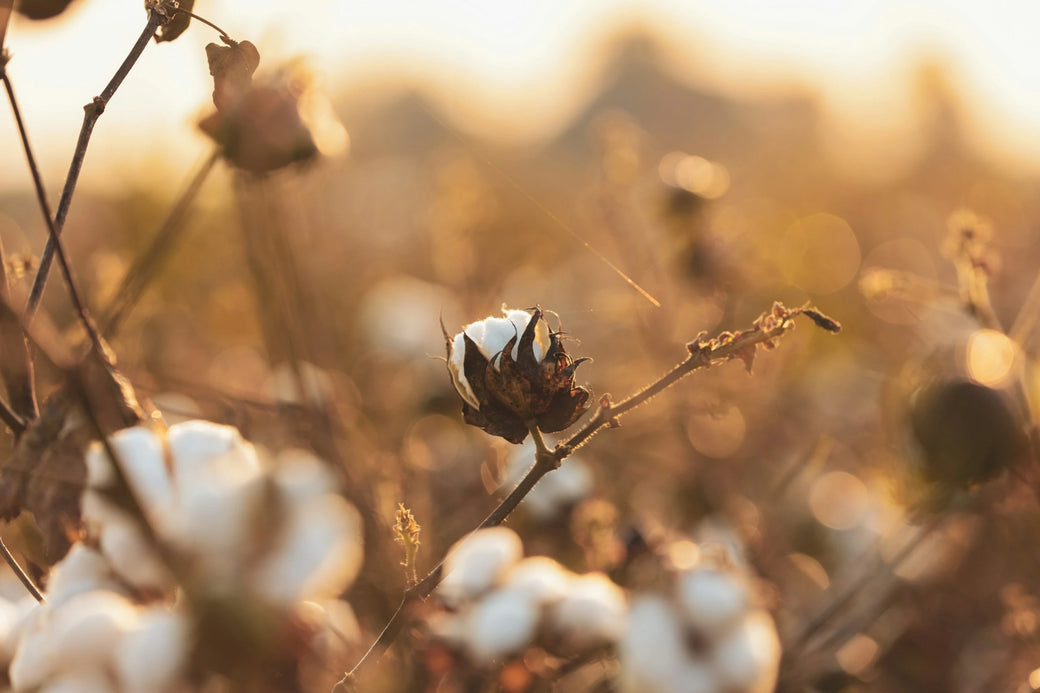
As the cotton plant develops, soft fibers grow around the seed inside the boll. The quality of the future fabric begins here, in the field, where the strength and character of the fiber are shaped long before spinning or weaving begins. Each cotton fiber is a single plant hair that develops from the surface of the seed.
Why choose organic cotton rather than conventional
Organic cotton is more than just a fabric choice — it reflects a cleaner, more responsible process from seed to finished textile. Compared with conventional cotton, it is grown and processed with greater care for the soil, water, farmers, makers, and the environment.