Conscious Crafting 101 - Fiber Knowledge Series.

Conscious Crafting 101

Fiber Knowledge Series

A deep dive into the surprising science, history, and secrets hidden inside every fiber - from cotton fields to your craft table.

Our Commitment to the Thread

View more

Since 1991, Organic Cotton Plus has championed sustainable textiles that empower creators to design without compromise. We relentlessly raise the standards for sustainable textiles so you can focus on what you do best: creating. Welcome to Conscious Crafting 101 - a hub for the curious, the eco-conscious, and the makers.

Thoughtful Sourcing

Thoughtful Sourcing

We research and source fibers that restore the earth rather than deplete it.

Certified Integrity

Certified Integrity

As a GOTS-certified retailer, our standards are not just green - they are verified.

Makers First

Makers First

From pesticide-free farming to low-impact finishing, we provide materials for cleaner sewing and a healthier earth.

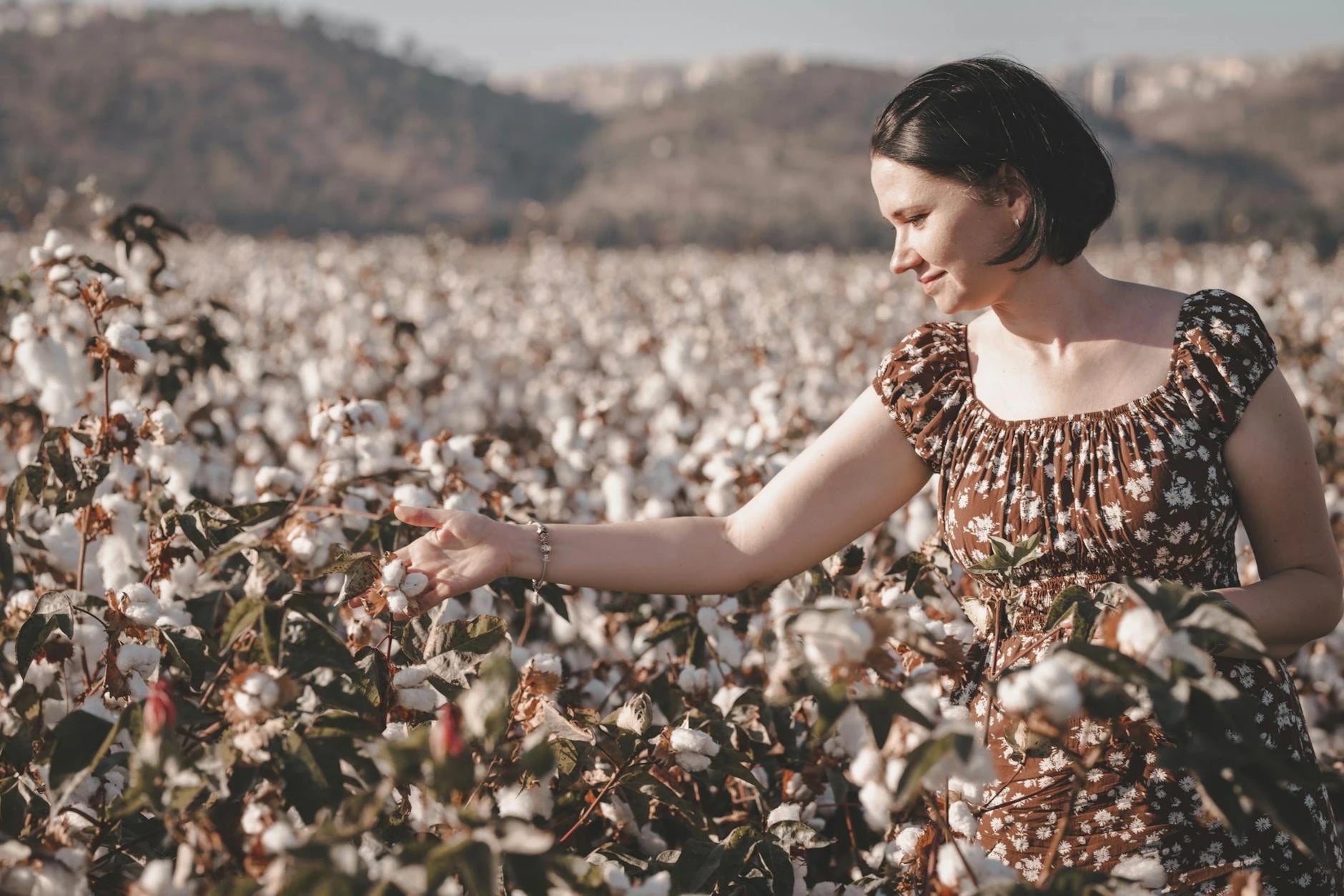
A maker walks through an organic cotton field at dawn.

Organic Cotton

Why Organic Cotton Matters

Shop Organic Cotton

Soft on Your Skin, Kind to the Earth

We often think deeply about what we put in our bodies — the organic produce we eat, the clean water we drink — but how often do you consider what you put on your body? Cotton is the silent companion of our lives. It’s the soft breath of your morning sheets, the familiar weight of your favorite t-shirt, and the gentle towel that dries your skin. Because cotton is in constant contact with your largest organ — your skin — the way it is grown matters more than we realize.

The Uncomfortable Truth

Beyond the softness of the final product lies a harsh reality. Conventional cotton is one of the most chemical-heavy crops on the planet. It doesn’t just use resources; it exhausts them. A cocktail of synthetic pesticides and toxic fertilizers is used to force growth, but these chemicals don’t simply stay in the field. They leach into the groundwater of local villages, strip the soil of its natural vitality, and create a hazardous environment for the farmers and families who work the land.

fabric collectionOrganic CottonGo Shopping

A Natural Choice for a Better Tomorrow

Choosing organic cotton is an act of mindfulness. It is a decision to support a farming system that works with nature rather than against it. By prioritizing organic standards, we ensure that the fabric touching your family is free from the residues of toxic synthetics. It’s a commitment to a cycle of health that heals the Earth:

  • Purity in Every Drop

    Without chemical runoff, local streams and drinking water remain clean and life-sustaining for the communities nearby.

  • Living, Breathing Soil

    Instead of industrial exhaustion, organic farmers use crop rotation and natural composting to keep the earth rich, fertile, and resilient for future generations.

  • Empowering Safer Hands

    Every organic bale represents a workplace where farmers breathe clean air and work in a toxin-free environment, protecting their health and the future of their children.

When you choose organic, you aren’t just buying a fabric. You are choosing a softer, kinder path for your skin, the farmers, and the planet we all share.

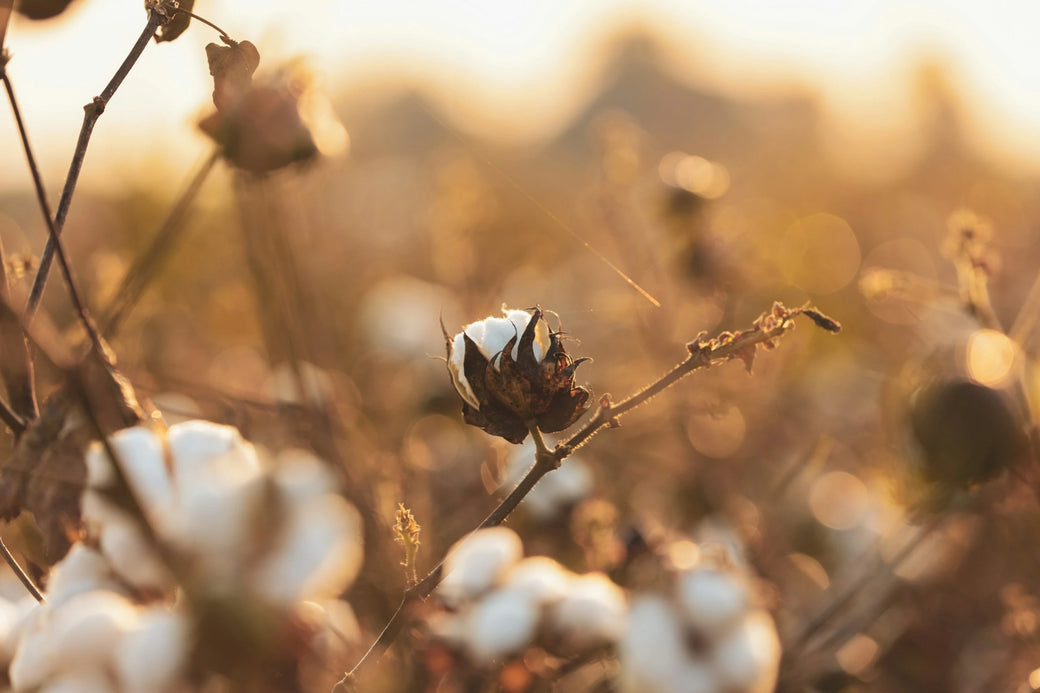
Soft organic cotton bolls catch morning light in the field.

Questions & Answers

Will organic cotton look different from regular cotton?

Usually, no. Organic cotton can look very similar to regular cotton. Most of the visible difference comes from the type of cotton, the yarn, the weave, the color, and the finishing, rather than whether it was grown organically.

Will organic cotton feel different?

Not necessarily. Organic cotton does not automatically feel softer or different just because it is organic. The feel of the fabric usually depends more on the fiber length, how it is spun, how it is woven or knitted, and how it is finished.

Which type of cotton is more hypoallergenic?

Fully certified organic cotton is often a better choice for sensitive skin, especially when it is processed under strict standards that limit harsh chemicals, residues, and irritating finishes. Still, the gentlest option is usually soft 100% organic cotton with minimal processing and trusted certification such as GOTS.

How can I tell if a fabric is truly organic?

The best way is to look for trusted certifications, not just marketing words. Labels such as GOTS are much more reliable than simply seeing the word “organic” in a product description. These certifications help show that the cotton has been properly verified.
Read more
A laboratory test of organic cotton fibers.

Deep Dive: Organic Cotton

How organic cotton becomes fabric

Organic cotton begins in the field, but its story does not end there. From the first stages of cultivation to the final fabric, every step shapes how the material will look, feel, and perform. This journey helps explain why organic cotton can take many different forms while still starting from the same natural fiber.

1. It starts with the soil

Before organic cotton is even planted, the land must meet strict organic requirements. Organic standards require land to be free from prohibited substances for at least three years before harvest, and organic agriculture does not allow GMOs. Farmers typically support the crop through soil-building methods such as crop rotation, cover crops, composting, and careful cultivation rather than relying on prohibited synthetic inputs.

2. The plant grows, and the fiber forms

As the cotton plant develops, soft fibers grow around the seed inside the boll. The quality of the future fabric begins here, in the field, where the strength and character of the fiber are shaped long before spinning or weaving begins. Each cotton fiber is a single plant hair that develops from the surface of the seed.
Hands holding raw organic cotton fiber.

Why choose organic cotton rather than conventional

Organic cotton is more than just a fabric choice — it reflects a cleaner, more responsible process from seed to finished textile. Compared with conventional cotton, it is grown and processed with greater care for the soil, water, farmers, makers, and the environment.
Organic Conventional
Seed Preparation Natural, untreated, GMO-free seeds. Typically treated with fungicides or insecticides. Possible GMOs.
Soil Preparation Healthy soil through crop rotation. Retains moisture from increased organic matter. Synthetic fertilizers, soil loss from mono-crop culture, intensive irrigation.
Weed Control Hand-weeding, cover crops, and mulching. Toxic herbicides applied throughout the growth cycle.
Harvesting Natural defoliation from freezing temperatures or water management. Defoliation induced with toxic chemicals.
Whitening Safe peroxide is used. Chlorine bleaching creates toxic by-products released to the environment.
Finishing Soft scour in warm water with soda ash for a pH of 7.5–8. Hot water, synthetic surfactants, and other chemicals (sometimes formaldehyde).
Dyeing Low-impact fiber-reactive or natural dyes with low metal and sulfur content. High-temperature dyes containing heavy metals and sulfur.
Printing Low-impact, water-based inks with no heavy metals. Pigments may be petroleum-based and contain heavy metals; runoff pollutes waterways.
Fair Trade Social criteria ensure safe, healthy, non-discriminatory environments with living wages. No social screening. Possible child or forced labor. Facilities may be unsafe.
Marketing A positive story that differentiates your brand from competitors. As awareness grows, increasing potential for a negative brand image.
Price Initial cost more expensive. Long-term advantages: priceless. Initially cheaper. Long-term impact on environment: devastating.

Hemp: Earth’s Most Resilient Fiber

Why Hemp Is More Than Just a Trend

Shop Hemp
fabric collectionHempGo Shopping

Introduction: The Fiber of the Future is 10,000 Years Old

At Organic Cotton Plus, we believe that truly sustainable design starts with the soil. While organic cotton is our namesake, Industrial Hemp (Cannabis sativa L.) is the rugged, resilient powerhouse of the textile world.

Hemp isn’t just an alternative to synthetic fibers; it is a regenerative force of nature. It breathes, it protects, and it improves with every wash. Explore the journey of hemp from a tiny seed to the high-performance fabrics in our collection.

The Botany of Sustainability

Hemp is often misunderstood, but its biological efficiency is unmatched in the plant kingdom.

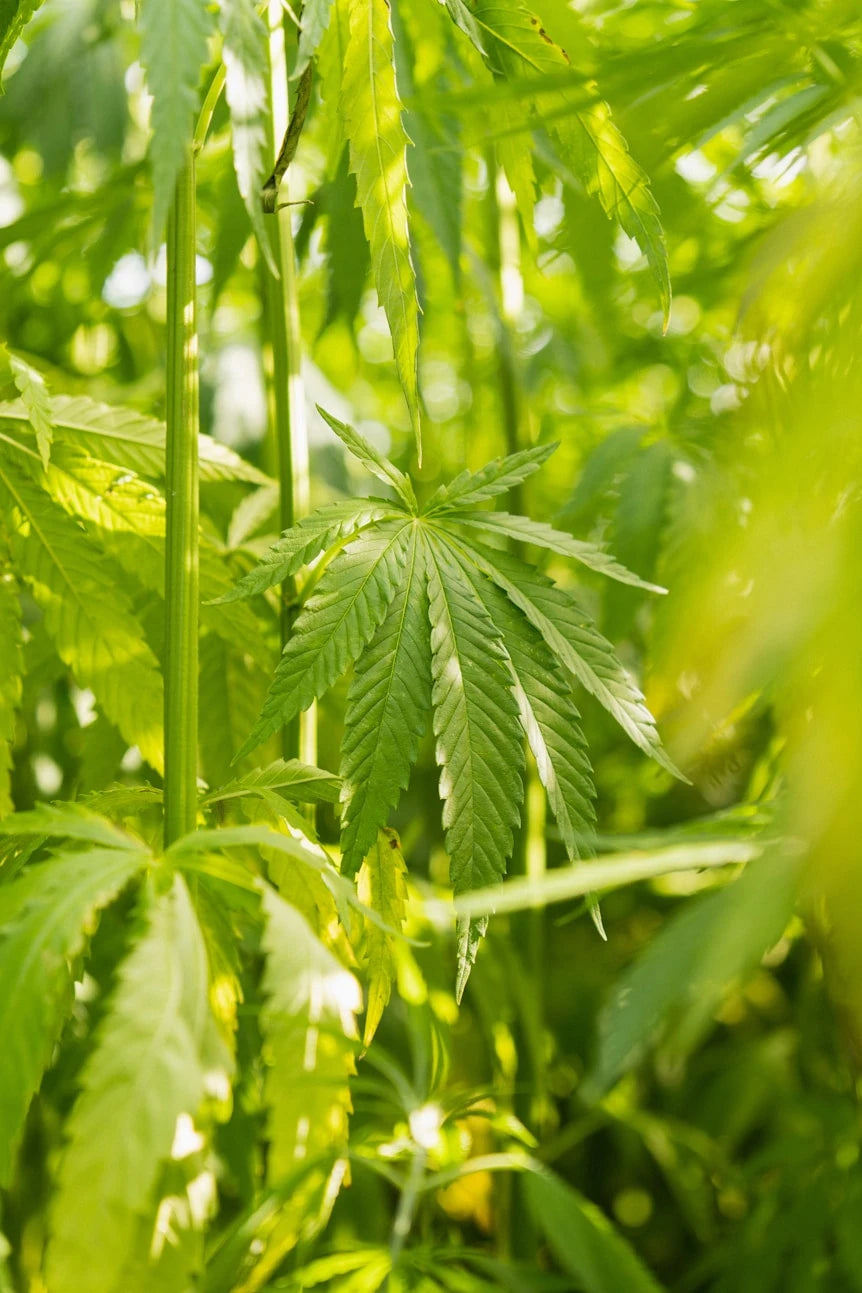
The “Hemp vs. Marijuana” Distinction. Though they belong to the same species, Industrial Hemp is the “sober cousin.” It contains less than 0.3% THC, meaning it has no psychoactive properties. It is grown not for its flowers, but for its tall, fibrous stalks.

An Environmental Overachiever. Hemp really goes above and beyond to take care of our world. It’s like a nature-powered cleanup crew that works hard to keep everything healthy and happy.

  • Carbon Sequestration

    Hemp absorbs more CO₂ per acre than any forest or commercial crop, sequestering carbon permanently into its fibers.

  • Water Wisdom

    Hemp requires roughly half the water needed to grow conventional cotton.

  • Soil Healer

    Its deep taproots break up compacted soil and “phyto-remediate,” naturally cleaning toxins from the ground while leaving it more nutrient-rich for the next crop.

  • Pesticide-Free by Nature

    Hemp grows so fast and so densely that it naturally chokes out weeds and has few natural predators, making it the ideal candidate for organic farming.

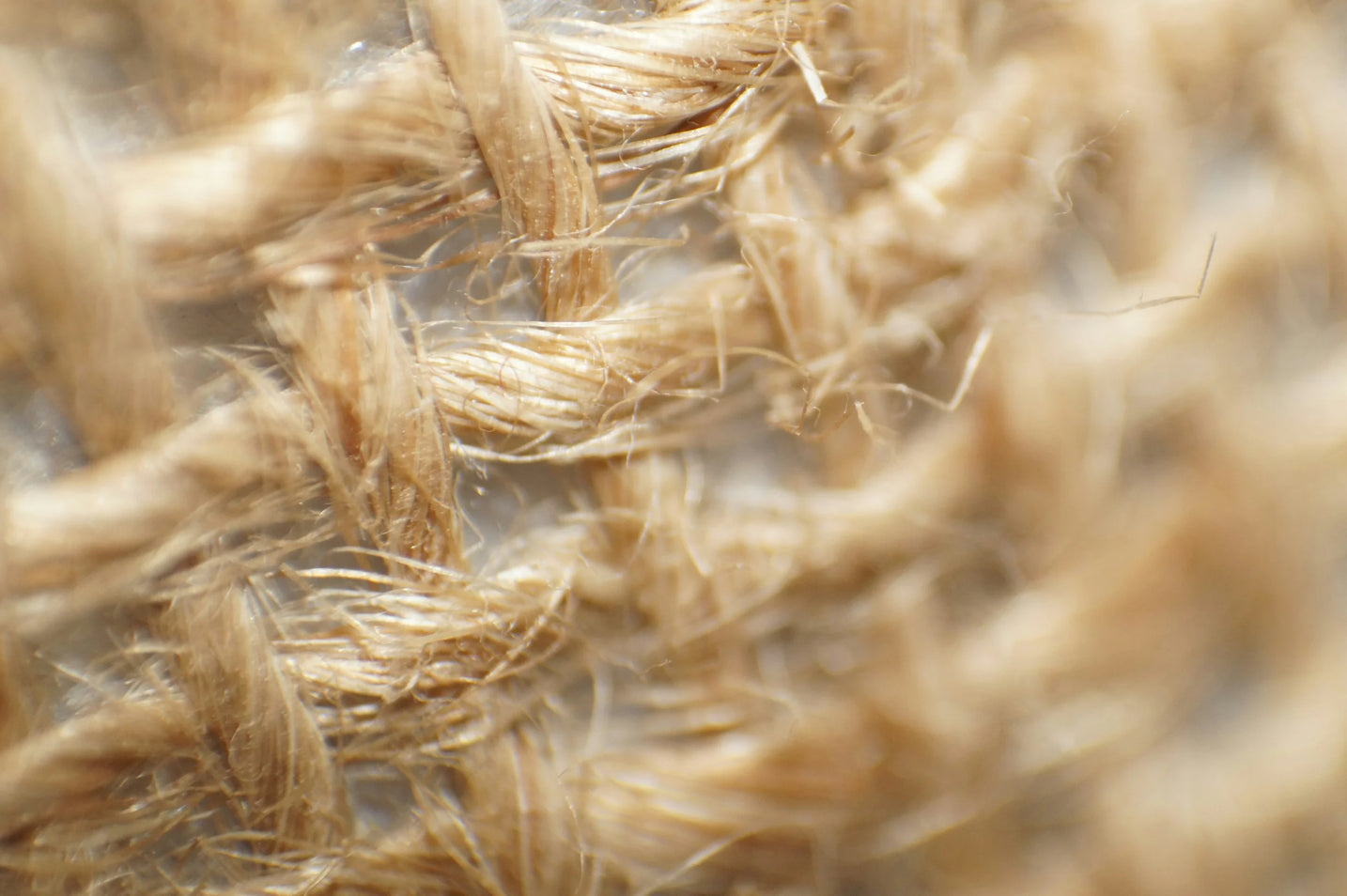
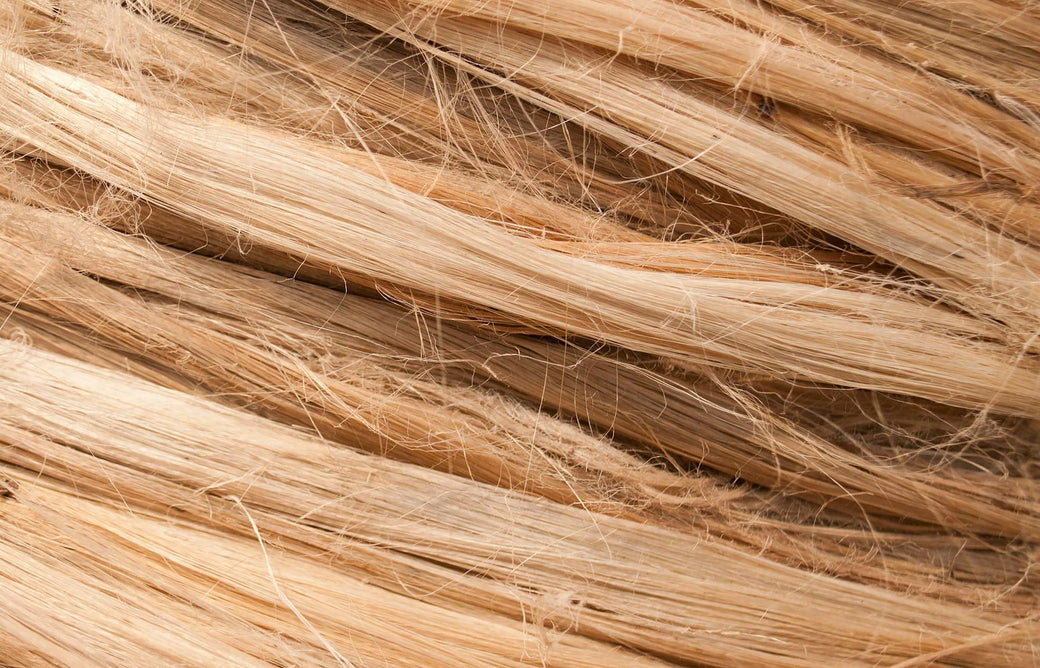
A close-up of rope-like hemp fibers.Hemp stalks drying in the field.

From Stalk to Stitch: The Processing Journey

Turning a rigid, 15-foot stalk into a soft, wearable fabric is an art form of mechanical and biological engineering.

  1. Cultivation & Harvest. Hemp is planted densely (up to 300 plants per square yard) to discourage branching and encourage long, vertical stalks. These stalks house the bast fiber — the long, strong strands found just beneath the bark.
  2. Retting (The Breakdown). After harvest, the stalks lie in the field to undergo “dew retting.” Natural moisture and bacteria break down the pectin (the natural “glue”) that binds the fibers to the woody core.
  3. Decortication & Scutching. The stalks are passed through rollers to crush the woody interior (the hurd), separating it from the valuable long-staple fibers.
  4. Degumming & Spinning. The raw fiber is cleaned and “degummed” to ensure a soft hand-feel. Wet spinning produces a fine, lustrous yarn similar to high-end linen; dry spinning results in a sturdier, more textured yarn perfect for canvas and upholstery.

Deep Dive: Hemp

The Hemp Textile Gallery

How does hemp feel? It depends on the weave. We specialize in blending hemp’s strength with organic softness.

Fabric VarietyCharacteristics Ideal For
Hemp Summer Cloth Lightweight, breathable, and crisp. Button-downs, dresses, and linens.
Hemp & Organic Cotton Blend The best of both worlds: hemp’s durability and cotton’s soft “loft.” T-shirts, hoodies, and children’s wear.
Hemp Canvas Virtually indestructible; UV-resistant and antimicrobial. Backpacks, aprons, and outdoor cushions.
Hemp Silk / Celadon A luxury blend with a heavy drape and subtle sheen. Bridal, evening wear, and high-fashion drapery.

A Global Heritage: The History of Hemp

For most of human history, hemp wasn’t “alternative” — it was the standard.

  • 8,000 BCE. The oldest known archaeological textile remnant is a fragment of hemp cloth found in ancient Mesopotamia.
  • The Age of Discovery. Ships like the Mayflower and the USS Constitution relied on hemp. A single ship required over 60 tons of hemp for its sails and rigging because hemp is the only natural fiber that does not rot in salt water.
  • The American Frontier. Early American farmers were often required by law to grow hemp. The first drafts of the Declaration of Independence were penned on hemp paper.
  • The 20th-Century Hiatus. Due to political shifts and the rise of synthetic, petroleum-based fibers, hemp production was banned in the US in 1937.
  • The 2018 Renaissance. With the passing of the Farm Bill, hemp has returned to American soil, reclaiming its spot as the leader in “clean cloth.”
Spools of woven hemp yarn.

Why Your Skin (and the Planet) Will Thank You

  • Antimicrobial

    Hemp naturally resists the growth of mold, mildew, and odor-causing bacteria.

  • UV Protective

    It possesses a high UPF rating, protecting your skin from the sun more effectively than cotton or synthetics.

  • Thermoregulating

    The hollow core of the fiber allows it to breathe in the heat while trapped air provides insulation in the cold.

  • The “Vintage” Effect

    Unlike synthetic fibers that pill and degrade, hemp fibers soften and improve with age, becoming a cherished heirloom piece.

A maker presses a hemp-cotton blend shirt.Finished hemp canvas tote bag.

Linen: The Ancient Fabric That Still Knows How to Chill

Explore elegant, airy linen

Shop Linen

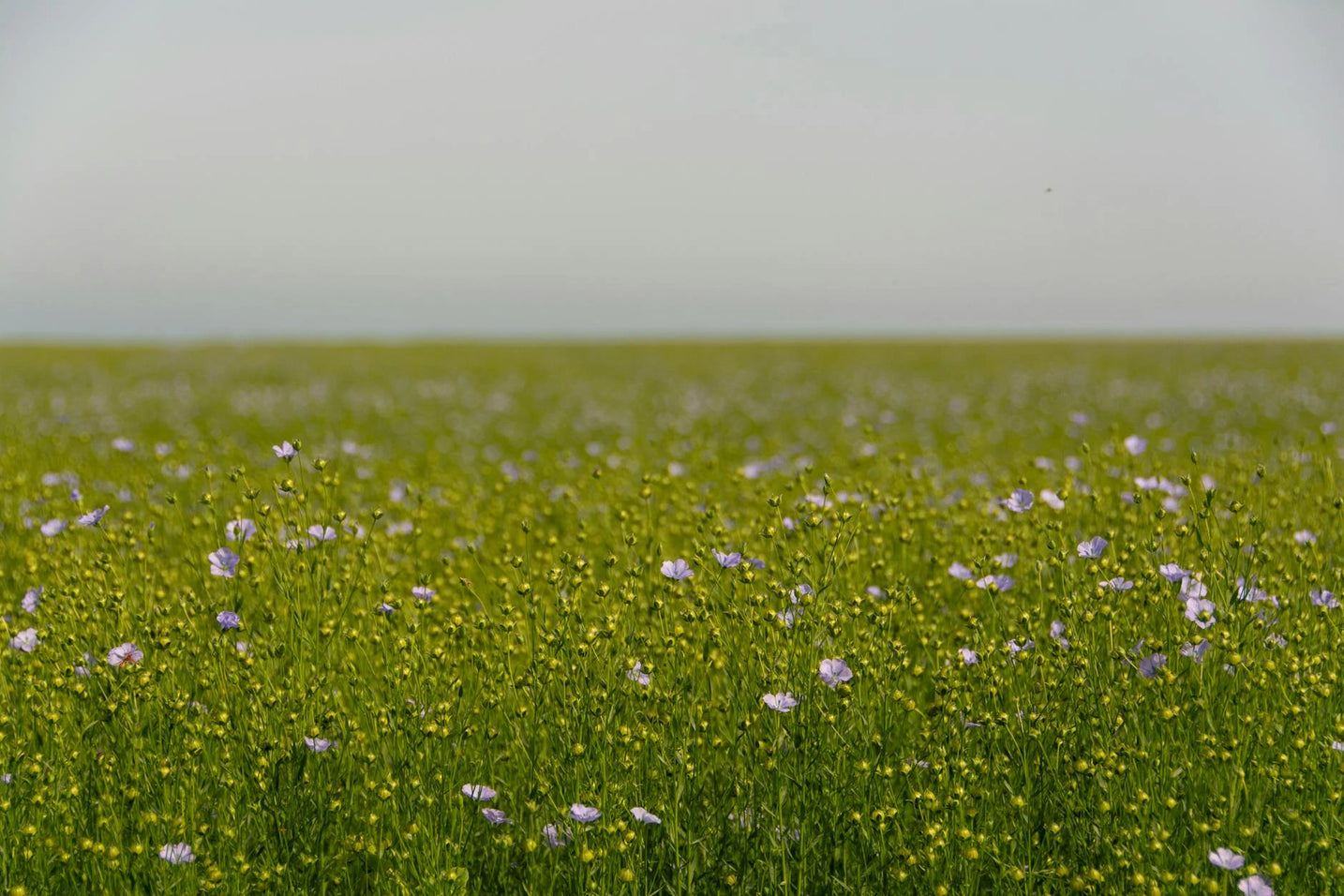
Linen doesn’t start on a shelf; it starts as a slender, green stalk called flax (Linum usitatissimum). This humble plant holds long, strong fibers hidden inside its stem, and it’s this natural strength that gives linen its timeless appeal.

The Epic Journey: From Flax Field to Fine Fabric

The secret to beautiful linen is growing flax tall and straight, like little soldiers in a dense field. Why? Because the longer the stem, the longer and cleaner the fiber. When harvest time comes, the flax is often gently pulled from the ground instead of simply cut, ensuring every precious inch of fiber is preserved.

Next comes retting — the slightly mystical step where moisture and friendly microorganisms dissolve the natural “glue” that holds the fiber to the stalk. Then scutching removes the woody bits, and hackling combs the fibers into smooth, parallel strands, ready to be spun.

The journey, in its simplest form, looks like this: seed → plant → fiber → yarn → fabric.

fabric collectionLinenGo Shopping

Linen’s Superpowers: Why It’s the Best Summer Friend

  • Always Cool. Linen is a champion of temperature regulation. It absorbs and releases moisture quickly and conducts heat exceptionally well — a linen shirt on a hot day feels like instant shade.
  • The Beauty of the Wrinkle. Since linen has low elasticity, it wrinkles easily — but we call that “lived-in elegance.” A slightly rumpled texture feels relaxed, natural, and perfectly made for real life.
  • Naturally Antibacterial & Dirt Repellent. Linen is hypoallergenic and naturally antibacterial. Because it breathes so well and doesn’t hold moisture, it doesn’t provide a hospitable environment for bacteria or mold.
  • The “Steel” of Natural Fibers. Linen has a tensile strength often compared to steel — more durable than cotton and highly abrasion-resistant. It actually gets softer and more lustrous with every single wash.
  • Gets Better with Age. Unlike most fabrics, linen “grows up” with you — softer and more lustrous with every wash.
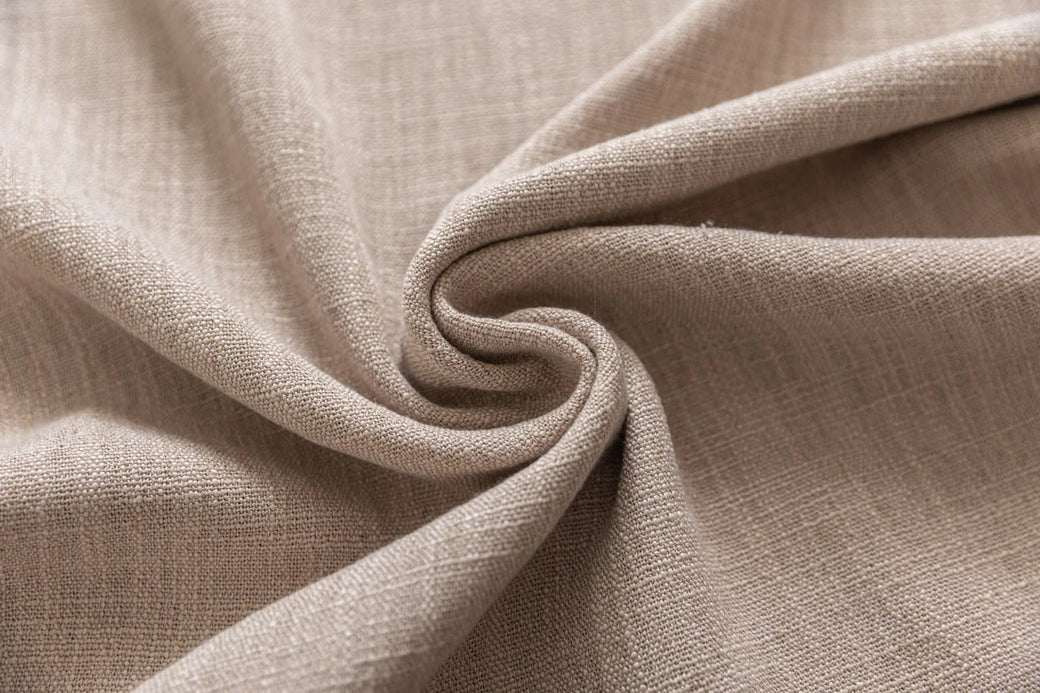
A crinkled linen swatch on natural backdrop.

Linen vs. Hemp: A Tale of Two Bast Fibers

Linen and hemp are textile cousins, both strong bast fibers pulled from plant stems. Think of them as having different temperaments:

FeatureLinen’s Vibe Hemp’s Vibe
Plant Height The elegant 3–4 ft sibling. The towering 6–16 ft sibling.
Feeling Crisp, cool, refined, and airy. Stronger, denser, and more rustic.
Best For Light summer wear, bedding, elegant home textiles. Durable workwear, canvas, heavy textiles.

In short, linen is your sophisticated friend for a refined summer picnic, while hemp is your rugged companion for building a cabin.

Folded sheets of natural linen.Soft linen drapes by a window.

Fun Facts: Linen is Everywhere

  • Older Than Clothes. The earliest known processed flax fibers found in a cave in Georgia are over 34,000 years old.
  • The Egyptian Status Symbol. In Ancient Egypt, fine white linen was a sign of status and famously used to wrap mummies — a fabric for life and the afterlife.
  • A 5,000-Year-Old Dress. The Tarkhan Dress, an ancient Egyptian linen garment, is one of the oldest woven clothes in the world.
  • It’s in Your Wallet. U.S. currency paper is made from a blend of 25% linen and 75% cotton.
  • It Shaped Language. Words like line, lining, and lingerie all trace back to the Latin linum (flax/linen).
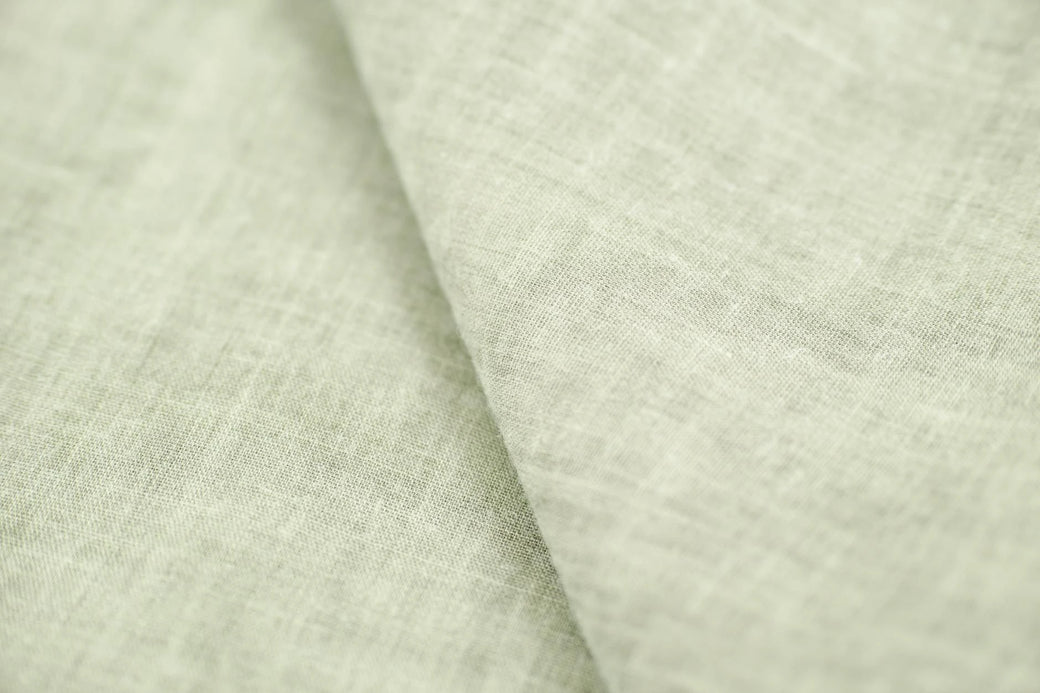
A close-up of woven linen threads.

Linen Will Always Be Cool

Linen is an effortless fabric — durable, naturally beautiful, and carrying a fascinating history. It’s the original textile for a life well-lived: relaxed, breathable, and always cool.

Peace Silk: Softness with a Conscience (Ahimsa Silk)

Silk Without Breaking the Life Cycle

Shop Peace Silk
fabric collectionPeace SilkGo Shopping

When you hear “Peace Silk,” think of a gentler, more thoughtful approach to the world’s most luxurious fiber. Peace Silk — often called Ahimsa Silk from the Sanskrit ahimsa, meaning non-harm — is real silk, but it’s made by protecting the little creature that creates it.

The Story of the Moth

Traditional silk production has a critical dilemma: the silkworm spins its entire cocoon from one single, impossibly long filament (around 1,000 yards). To keep that thread unbroken so it can be reeled, the pupa inside is typically killed with heat or steam before it can emerge as a moth.

Peace Silk flips this narrative. Producers wait until the silkworm has completed its metamorphosis and flown away as a moth. The life cycle is respected: egg → silkworm → cocoon → moth leaves → empty cocoon collected.

A Quieter, More Textured Luxury

If regular silk is liquid light and high-gloss glamour, Peace Silk is soft morning light and quiet luxury.

FeatureClassic (Reeled) Silk Peace (Ahimsa) Silk
Production Pupa killed to keep one long thread. Moth emerges naturally; life cycle completed.
Look & Feel Shiny, fluid, slippery, and cool. Matte, softly textured, warmer, and calmer.
Key Type Mulberry Silk. Eri Silk (often associated with Peace Silk).

A special type often connected to this method is Eri Silk, which comes from naturally open-ended cocoons and is always spun. Eri has a cozy, cottony, or even fine-woolly feel that makes it less slippery and more grounded than classic silk.

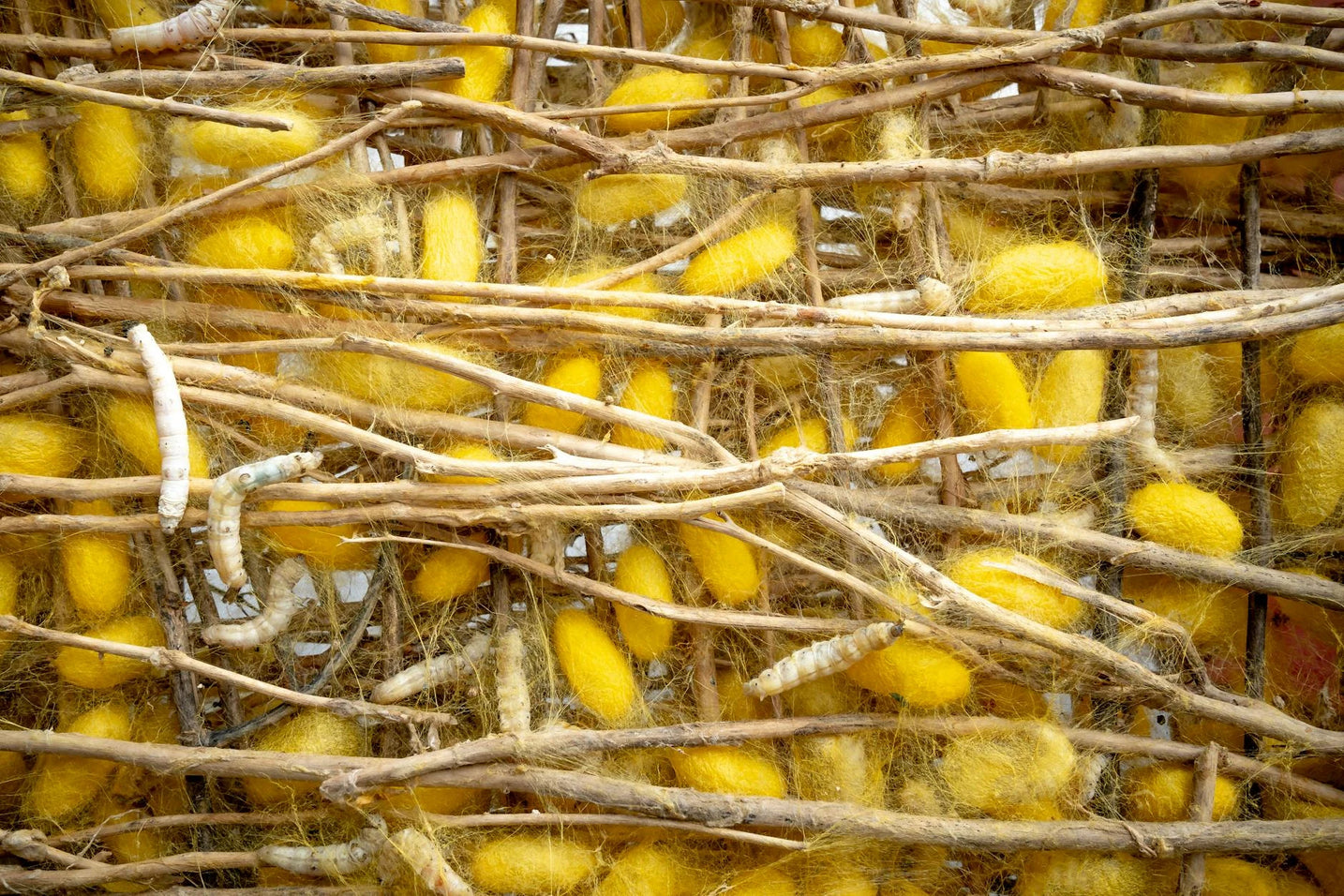
Cocoons collected after the moths have hatched.Hands stretching delicate Ahimsa silk yarn.

An Honest Note on Ethics and Care

  • Not Vegan

    While it is a lower-harm alternative, Peace Silk is still an animal-produced fiber, so it is generally not considered vegan.

  • Still Delicate

    It is real silk, which means it requires gentle care. Avoid chlorine bleach, harsh detergents, strong sunlight, and high heat when washing.

  • Patience is a Virtue

    Farmers wait about two extra weeks for the silkworms to finish their natural transformation. Only after the moths safely hatch and fly away are the empty cocoons collected.

  • A One-of-a-Kind Texture

    Because the moths break the silk threads when they hatch, the fibers are shorter than traditional silk — giving the fabric a unique, slightly textured feel and a soft matte look.

Peace Silk is more than just a fabric; it’s a value choice. It trades the ultimate perfection of a continuous thread for a more peaceful process. The result is a soft, matte, and breathable textile that carries the beautiful story of transformation.

A bolt of softly textured peace silk drapes over a wooden surface.

Usage Guide: From Bridal to Bedding

Bridal & Evening Wear

Perfect for a “boho” or vintage-style wedding dress where a matte, textured drape is preferred over a shiny finish.

Sensitive Skin Choice

A thoughtful option for sensitive skin when harsh finishes are limited — gentle, breathable, and naturally smooth.

Ethical Accessories

Ideal for silk pillowcases and eye masks — the hair and skin benefits of silk without the ethical dilemma of traditional production.

Wool

Nature’s Original Performance Fiber

Shop Wool

The “Forever” Problem vs. The Life’s Circle

Think of synthetic fibers like acrylic and polyester as wearing a plastic water bottle. Since they’re petroleum-based, they don’t actually die — they just break into smaller and smaller pieces. Every wash sheds thousands of microplastics straight for the ocean and, eventually, our dinner plates.

Wool, on the other hand, is the ultimate “dirt-to-dirt” hero. Made of the same keratin protein as your hair, wool is 100% biodegradable. Bury a wool sock in your garden and it would disappear in a few months, donating nitrogen back to the soil. It’s not just a fiber; it’s a nutrient.

fabric collectionWoolGo Shopping

Stop Living in a Portable Sauna

Ever wonder why you feel clammy in a polyester gym shirt but perfectly cozy in a wool cardigan? It’s all about moisture-vapor magic. Synthetics are hydrophobic — they trap sweat against your skin, creating a swampy, humid micro-climate that is basically a 5-star resort for odor-causing bacteria. Wool is the world’s most advanced thermostat: it’s hygroscopic, meaning it breathes with you. It absorbs moisture vapor before it turns into liquid sweat and whisks it into the air. You stay dry; bacteria stay hungry; you stay smelling fresh.

Natural Body Armor (Literally)

Most synthetic fabrics are essentially solidified oil, making them highly flammable, and are often coated in chemical flame retardants. Wool is a natural overachiever — high nitrogen and water content make it naturally flame-resistant. It doesn’t melt or drip; it usually just puts itself out. Even cooler? Wool acts like a giant air filter, trapping and neutralizing indoor air pollutants like formaldehyde — literally cleaning the air in your home while it sits in your closet.

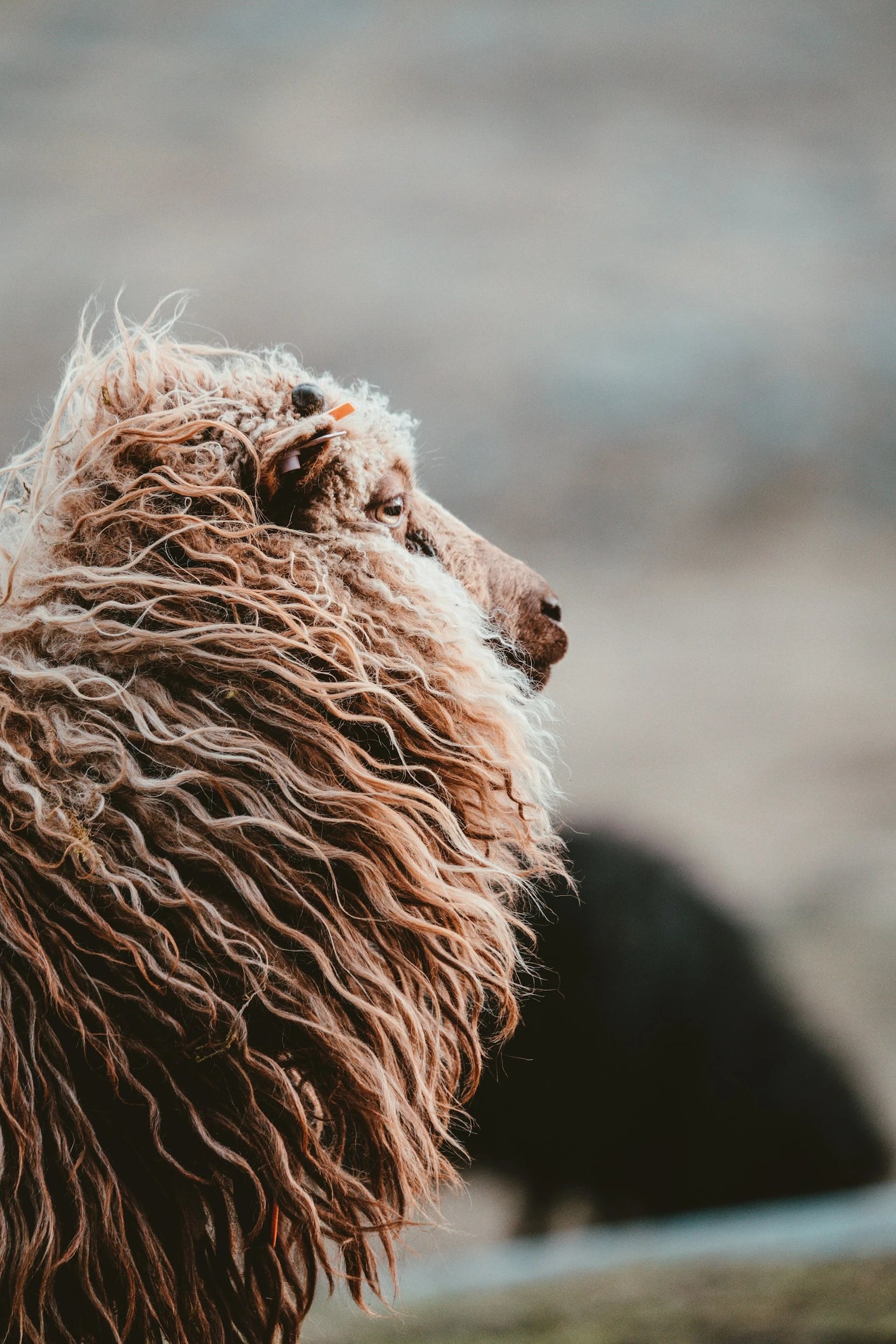
Raw wool fleece before carding.Spools of natural wool yarn.

The Bottom Line: Plastic vs. Protein

When you choose wool, you’re choosing a high-performance “living” fiber perfected by 10,000 years of evolution. When you choose synthetics, you’re choosing a lab-made shortcut.

The VibeWool Synthetics
End of Life Becomes garden fertilizer. Becomes an archaeological artifact.
The Smell Test Fresh for days. “Did something die in here?”
Safety Naturally fire-shielded. Chemically treated plastic.
Your Skin “Ahhh, I can breathe.” “Is it humid in here, or is it just me?”
Production Pasture-raised, rain-fed, regenerative. Petroleum-derived, energy-intensive, microplastic-shedding.

The Architecture of a Miracle: The Crimp

While other fibers are straight, wool has a natural “crimp” — a built-in wave that acts like a microscopic spring.

  • Elasticity by Design. Wool fibers can be bent on themselves more than 20,000 times without breaking — compared to only 3,000 times for cotton.
  • The Air Trap. Tiny air pockets in the waves keep warmth in during winter and let heat escape in summer.
  • Shape Retention. Natural springiness means wool garments resist wrinkling and snap back to shape.
A magnified wool fiber showing natural crimp.

The Lanolin Shield: Nature’s Water Repellent

Wool is famously hygroscopic (absorbing moisture vapor), but its surface actually repels liquid water.

  • Stay Dry in a Drizzle. The outer layer is coated in lanolin, a natural wax that causes water droplets to bead up and roll off rather than soaking in.
  • Self-Cleaning Property. The waxy coating also prevents dirt and stains from being absorbed into the heart of the fiber, making wool much easier to spot-clean than synthetics.
  • Built for Movement. The crimped fiber recovers from compression — your wool sweater always looks freshly worn.

A Customer’s Guide: Making Wool Last a Lifetime

To ensure your wool remains a “dirt-to-dirt” hero, follow these simple care steps:

The “Air Out” Method

Wool stays fresh for days and neutralizes odors — no need to wash after every wear. Hanging in a breezy spot or a steamy bathroom refreshes the fibers.

Cool Water Only

If you must wash, use cool water. High heat and agitation cause the microscopic fiber scales to interlock — leading to felting and shrinkage.

Storage Secrets

Store wool pieces clean and folded — never hanging — with cedar blocks or lavender to naturally deter moths without harsh chemicals.

The Global Organic Textile Standard (GOTS)

Explore GOTS and our Vision

Learn more
About the Organization

The Global Organic Textile Standard (GOTS) was developed by leading standard setters to define worldwide-recognised requirements for organic textiles. From the harvesting of raw materials, environmentally and socially responsible manufacturing, to labelling — textiles certified to GOTS provide a credible assurance to the consumer.

Our Mission

We believe organic textiles should feel like a natural part of everyday life — better for people, and better for the world around us. Our mission is to support, protect, and promote GOTS, helping it grow with the industry. GOTS sets clear standards across the textile supply chain, covering both environmental responsibility and working conditions.

At its core, organic production supports healthier soil, avoids toxic and long-lasting pesticides and fertilizers, values responsible animal care, and does not allow genetic modification.

US Representation

As a GOTS-certified retailer in the US, Organic Cotton Plus follows the strictest processing standards from raw fiber to finished cloth. Every yard we sell can be traced back to a certified supply chain — no shortcuts, no greenwashing.

GOTS — Global Organic Textile Standard logo.